
Skip to content

Physical AI

Resilient connectivity for drones, robots, and autonomous systems

Adaptive Infrastructure for Real-World Systems

ReliaPlay keeps machines responsive when networks don’t cooperate

In real-world deployments—yards, job sites, rural routes, and congested airspace—connectivity is inconsistent. Packet loss and latency spikes don't just disrupt video; they break control loops, delay interventions, and create safety risks. 

ReliaPlay continuously adapts to live network conditions, keeping video, telemetry, and control streams stable. By dynamically adjusting redundancy and recovering lost data in real time, it prevents freezes, reduces latency spikes, and preserves the information operators and systems rely on to act. 

Built on advanced Forward Error Correction (FEC) and AI-driven network optimization, ReliaPlay delivers consistent situational awareness and control across unreliable links—without additional hardware changes. 

Use Cases

Teleoperation (direct remote control)

  • Live video and control degrade under congested or interference-prone networks 
  • Freezes, latency spikes, and artifacting disrupt safe operation and precision tasks
  • Treseder maintains continuous, low-latency video and responsive control in real-world conditions 

Autonomous systems

  • Autonomous systems depend on reliable telemetry and video—feeding offloaded AI compute (e.g., VLA models) and the system's real-time situational awareness 
  • Network instability creates blind spots, delayed interventions, and fleet inefficiencies
  • ReliaPlay ensures stable visibility and low-latency escalation paths across distributed systems 

Monitoring and overwatch

  • Continuous situational awareness is limited by gaps, packet loss, and inconsistent video quality
  • Unreliable links result in missing footage and reduced operational confidence
  • ReliaPlay delivers consistent, high-integrity video streams across degraded networks 

Watch our ReliaPlay Demo here

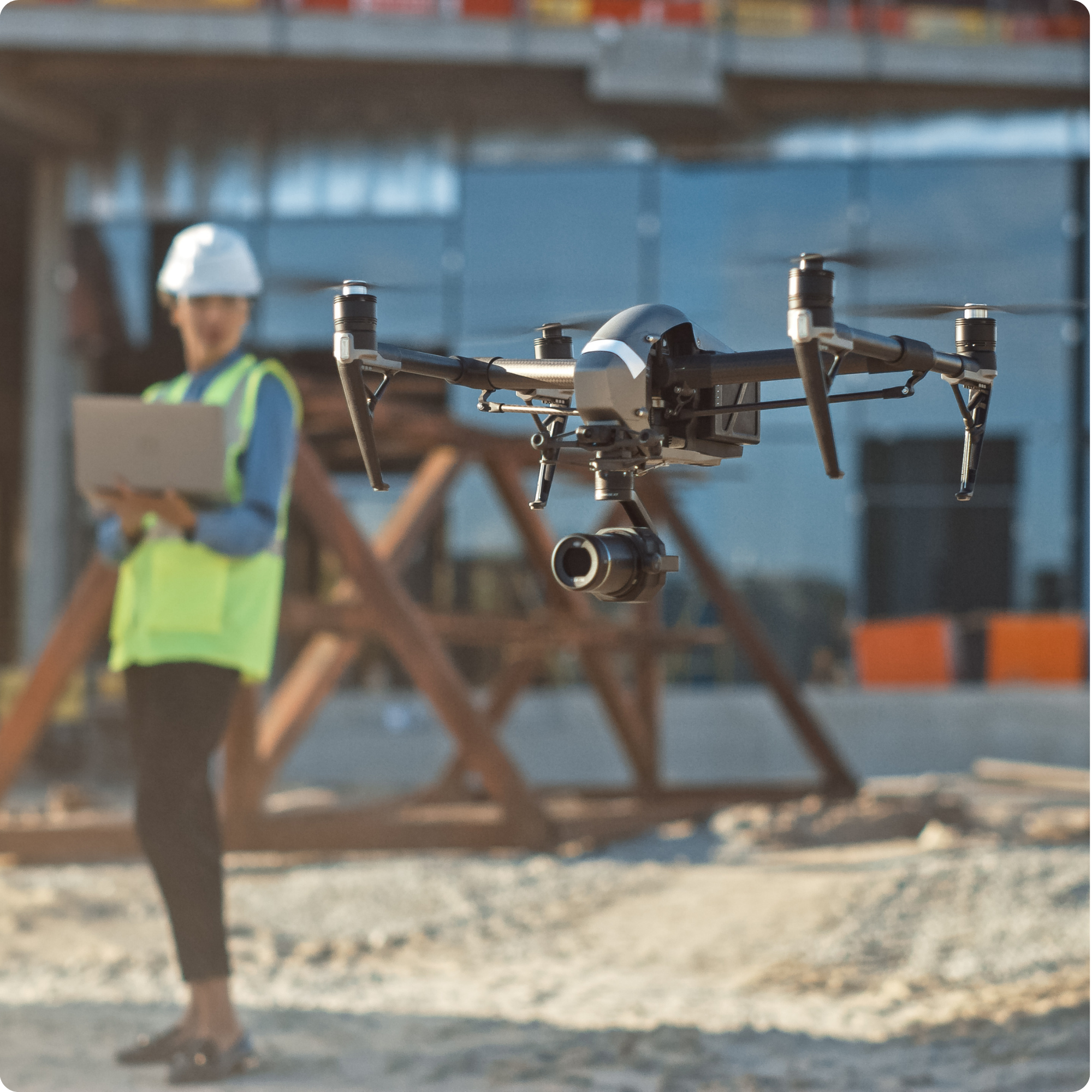
Teleoperation

A human operates a machine from a distance over a live video and data feed; freezes, latency spikes, and heavy artifacting directly affect productivity and safety on the job. 

  • Industrial and logistics robotics
    • Remote operation of yard, warehouse, or hazardous-area vehicles over WiFi/private 5G/LTE
    • Telehandlers or specialty rigs where an off-site operator guides fine moves from a camera feed 
  • Aerial commercial services
    • Power line, tower, or energy infrastructure inspections flown under pilot control with FPV or payload video back to the truck
  • Ports, yards, and heavy equipment
    • Remote cranes or assist systems fed by on-machine cameras over congested site networks
  • Remote maintenance and intervention
    • Controlled manipulation in confined or hazardous environments where video is the primary loop
Drone Inspection 4b
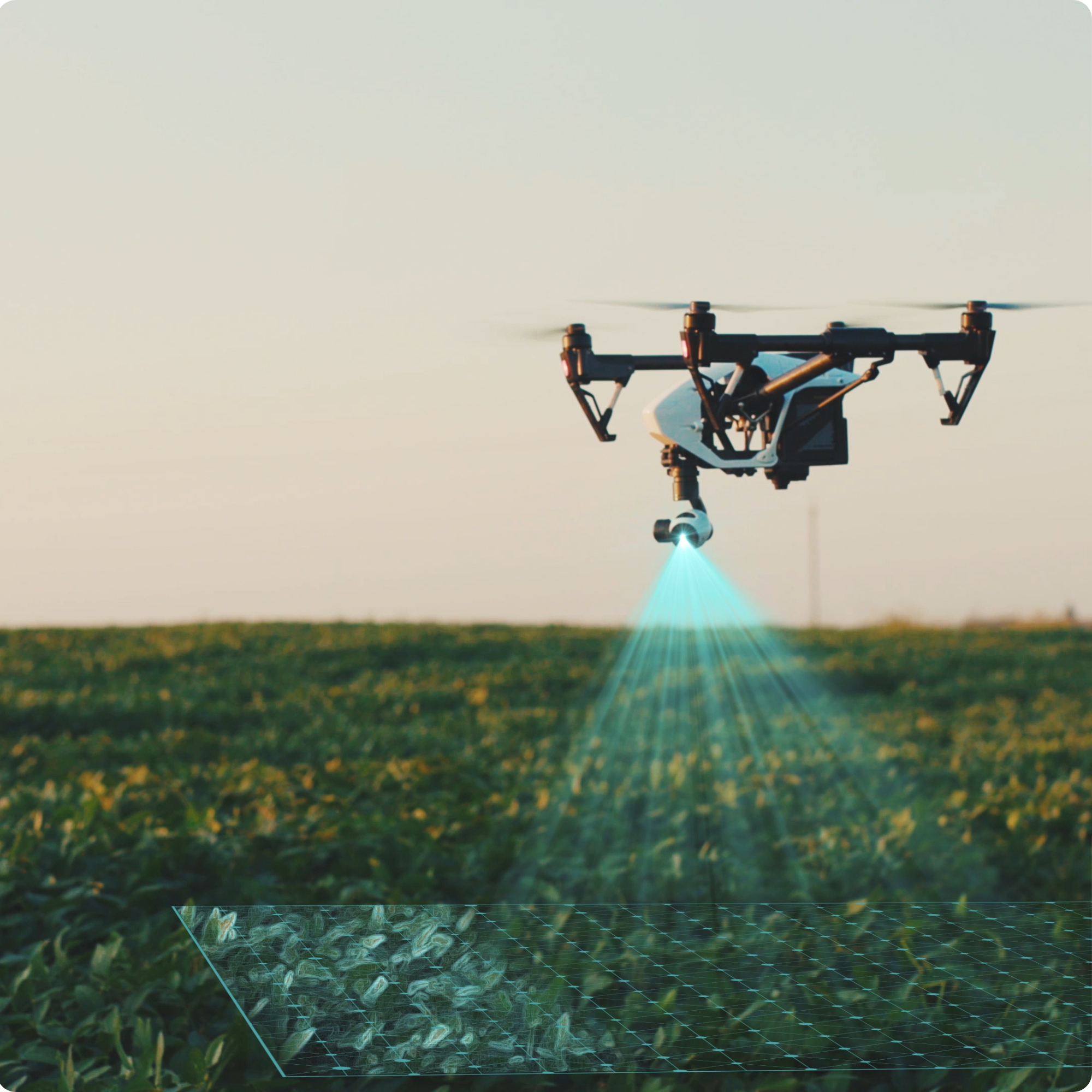
Agricultural Inspection 2

Autonomous Systems

The system runs autonomous routes or perception tasks. Reliable video and telemetry feed two consumers: offloaded edge AI compute (perception, VLA, planning) and remote human supervision (exception handling, fleet operations, escalations).

  • Last-mile logistics
    • Delivery or mail robots with onboard perception, offloaded route planning, and remote assist takeover on anomalies
    • Multi-site fleet dashboards and/or aggregated perception fed by per-robot cameras
  • Agriculture and land management
    • Autonomous sprayers, scouts, or harvest-assist platforms feeding offloaded crop perception and/or operator oversight uplinks
    • Seasonal connectivity (rural cellular, temporary gateways)
  • Mining, oil & gas, and energy (commercial operators)
    • Pit, pad, or platform robots on repetitive rounds, streaming to inspection AI and control-room watch
    • Inspection crawlers or drones on scheduled autonomous passes—video driving both anomaly-detection AI and on-call human review
  • Retail, hospitality, and facility automation
    • Inventory or cleaning robots streaming live video to onboard/offloaded perception and to a SOC, NOC, or fleet-ops center
    • Escalation to humans when perception is uncertain

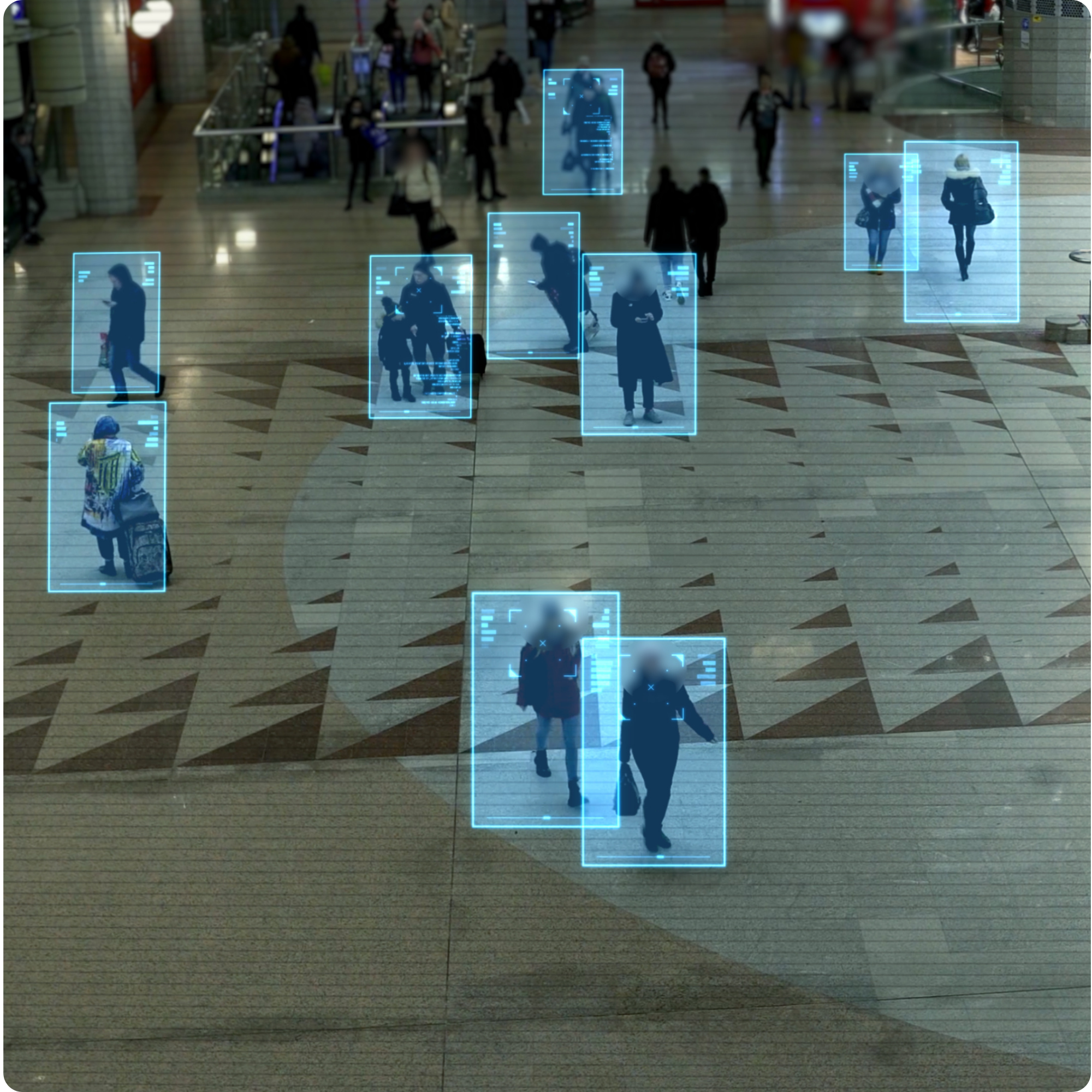
Monitoring and Overwatch

The goal is ongoing situational awareness: fewer long gaps and glitches over cellular, mesh, satellite, or VPN paths than best-effort transport alone.

  • Video security
    • Mobile patrol units (robot or vehicle-mounted) on LTE / 5G
    • Body-worn cameras streaming to dispatch and review systems
  • Critical infrastructure (commercial operators)
    • Substations, pipelines, renewable sites, and ROW cameras on constrained backhaul
    • Storm or outage response cameras where last-mile links are unstable
  • Insurance, loss adjustment, and catastrophe tech
    • Rapid deployment imaging from adjusters’ rigs or partner drones
    • Roof / flood / fire documentation that must not drop entire segments on weak cell
  • Smart cities and transportation (commercial)
    • Traffic, parking, and tunnel feeds aggregated over mixed networks
    • Ferry, bus, or rail depots receiving mobile camera uplinks for operations
Security Camera Footage1

Simple API integration

ReliaPlay accepts encoded video frames at the sender, generates FEC-protected UDP packets, and delivers recovered frames at the receiver for smooth playback. Compatible with GStreamer, QGroundControl, and any RTP-capable pipeline.

Built-to-purpose redundancy

By exploiting the bursty patterns in packet loss, ReliaPlay recovers more data with less overhead—minimizing freezes and preserving quality.

AI/ML-driven optimization

ReliaPlay's AI continuously tunes redundancy to live network conditions—using just enough overhead to keep streams stable.


Proprietary Resiliency

ReliaPlay uses a proprietary FEC to recover data more effectively by exploiting correlations between packet losses and recovering frames sequentially at each frame's deadline.

AI Driven

We use AI to adjust the FEC overhead frame by frame based on changing network conditions and variability in the sizes of compressed frames.

Best-In-Class Reliability

In our benchmarks, ReliaPlay reduces freezes by 10.9× while using 14.8% less bandwidth vs industry gold-standard Reed-Solomon FEC—delivering reliable, low-latency performance in degraded environments.